
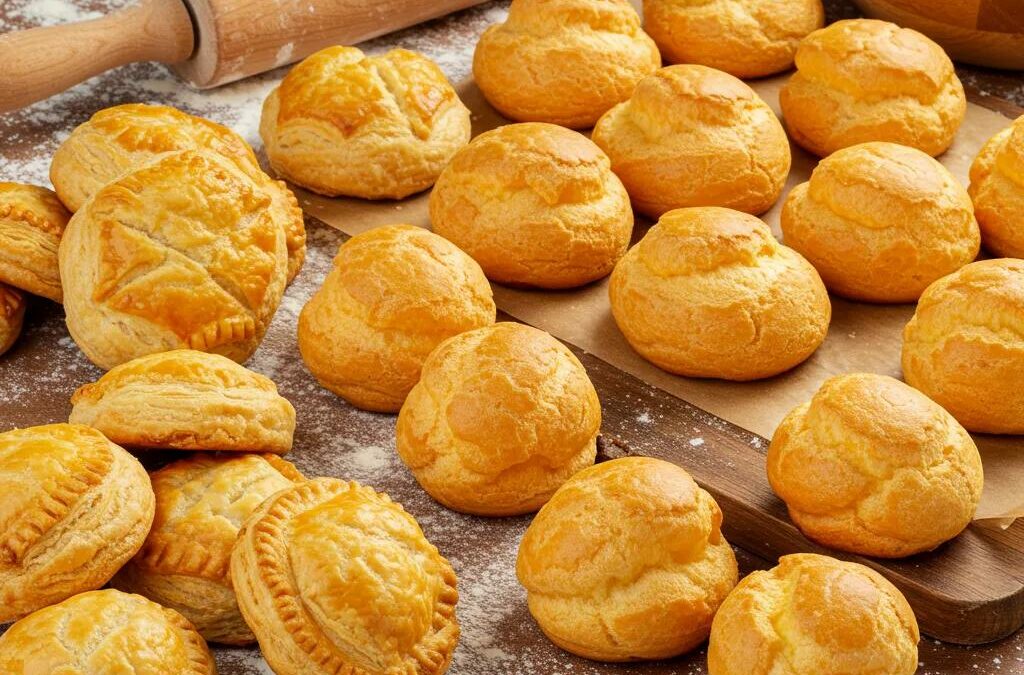
How to Master Simple Pastry Techniques Fast: Easy Recipes and Essential Tips for Beginners

Mastering simple pastry techniques quickly involves focusing on a set of reliable methods that yield consistent, flaky, and flavorful results. This guide covers core pastry types, essential tools and ingredients, and practice drills to build skills efficiently while avoiding common pitfalls. By understanding the importance of cold butter, correct fold counts, and precise resting times, you can consistently create turnovers, tarts, and cream puffs in your home kitchen. The article is organized into practical sections: defining basic pastry types, selecting tools and ingredients, quick technique lessons, two beginner recipes, troubleshooting fixes, time-saving tips, flavor ideas, and sourcing options for ingredients and kits. Throughout, you’ll find numbered steps, comparison tables, and actionable lists designed for fast learning and clear practice, with attention to local ingredient availability and convenient purchase options for busy bakers.

What Are the Basic Pastry Types Every Beginner Should Know?

Understanding basic pastry types is essential, as each relies on different techniques to achieve its characteristic texture and structure. Here’s a concise overview:

Puff Pastry

Puff pastry is a laminated dough that rises by creating many thin layers of fat and dough, which separate and steam in the oven to form flaky lift. The core mechanism involves alternating layers of cold fat and dough, folded and rolled multiple times, trapping steam that puffs the layers apart during baking. For beginners, rough puff (or “quick puff”) uses grated cold butter or cold butter pieces folded into dough with fewer turns to save time while still producing distinct layers. Rough puff is ideal for turnovers and quick tarts, while classic puff requires more turns and patience for croissants and mille-feuille. Mastering an efficient folding rhythm helps you practice lamination without spending hours on a single batch.

Choux Pastry

Choux pastry is an egg-based dough made by cooking flour into water and butter, then beating in eggs to achieve a pipeable, glossy batter that puffs in the oven to form hollow shells. The critical mechanism is steam expansion created by high-moisture batter and the coagulation of egg proteins that set the hollow structure, making éclairs and cream puffs possible. Key ratios and a reliable method are: heat liquid plus butter, add flour and cook to form a paste, cool slightly, then beat in eggs one at a time until smooth and glossy. Common mistakes include adding eggs when the mixture is too hot or too cool; both change texture, so adjust temperature and egg volume to get a pipeable consistency. Practicing one small tray of puffs builds confidence in gauging batter readiness and baking time.

Shortcrust Pastry

Shortcrust pastry relies on cold fat distribution to create a tender, flaky crust. The defining elements are fat temperature, particle size of fat in the dough (pea-sized to small pea), and brief mixing followed by an adequate chill to relax gluten and firm the fat. Blind baking can preserve a crisp base for wet fillings, while docking or weights prevent bubbles and shrinkage. Simple practical tips—keep equipment and ingredients cold, use a light touch when pressing and rolling, and rest the dough—translate directly into visible flaky layers and a tender bite.

What Essential Tools and Ingredients Do You Need for Simple Pastry Making?
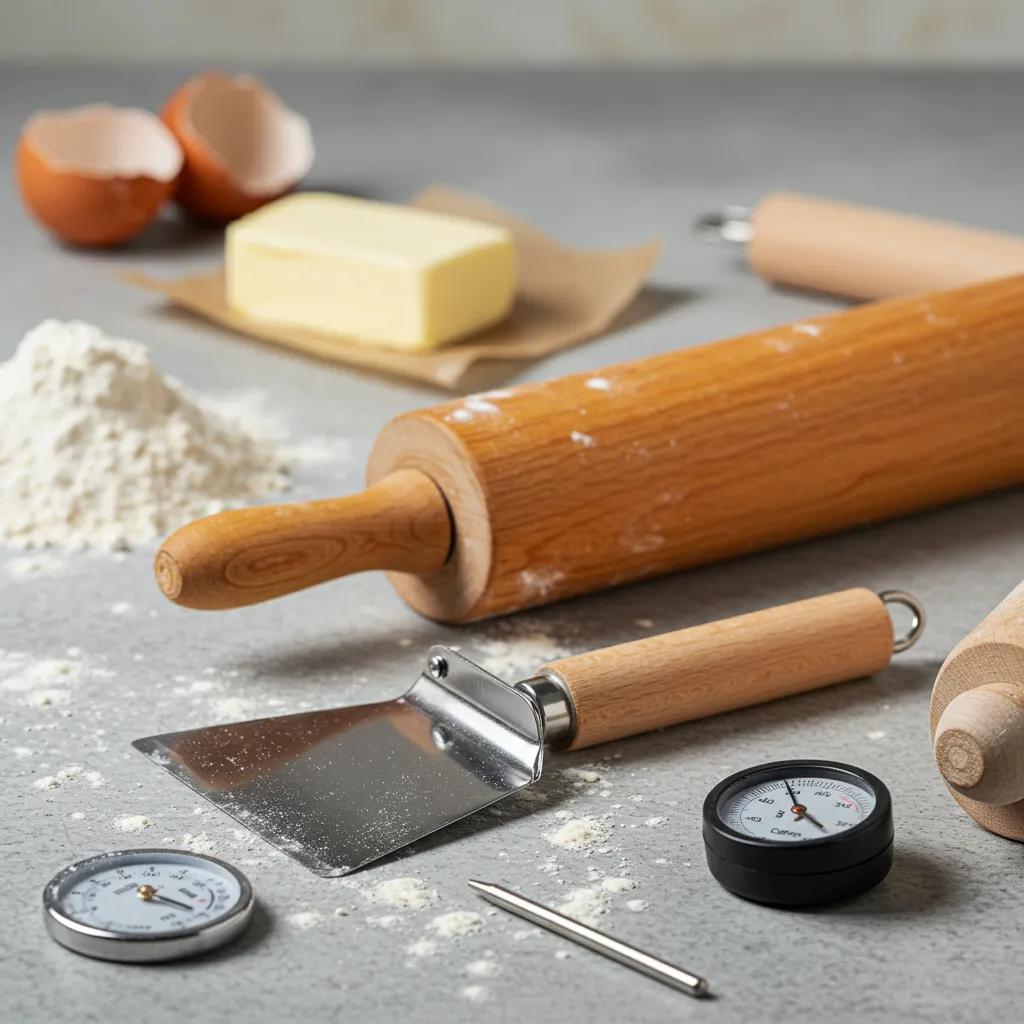
A compact set of tools and a clear understanding of ingredient roles shorten the learning curve and improve consistency, especially when practicing quick puff pastry and shortcrust recipes. Essential tools focus on those that control temperature and shape dough—a rolling pin and pastry cutter for forming layers, a bench scraper for clean handling, and an oven thermometer for reliable baking results. Ingredient-wise, choosing the right flour and a high-fat, cold butter or acceptable local substitute influences flakiness and texture, while keeping sugar and salt measured precisely ensures flavor balance. The practical EAV table below compares common flours and fats to their best uses so you can select products that suit each pastry type.

IngredientCharacteristicBest Use
All-purpose flourModerate protein (10–12%)Versatile for rough puff and basic pie crusts
Cake flourLow protein (7–9%)Tender shortcrusts where minimal gluten is desired
Unsalted butterHigh fat, consistent flavorPreferred for all buttery pastries and lamination
Salted butterContains salt variancesAcceptable if adjusted for salt in recipe
Ghee (clarified butter)Less water, concentrated fatUse carefully for flavor; reduces steam-based lift

This comparison clarifies that flour protein and fat water content directly affect gluten and steam behavior, which determines texture outcomes. Choosing the appropriate pairing enables predictable results for each pastry type and reduces troubleshooting time.

How to Choose the Best Flour, Butter, and Other Ingredients?

Ingredient choice influences pastry outcome in predictable ways, so select products with attributes that match the technique you plan to use. Higher-protein flours give more structure and are useful for laminated dough needing some strength, while lower-protein cake flour yields tender shortcrusts. Butter with higher fat percentage and low water content produces better lift and flavor; unsalted butter is recommended so you control seasoning. When local substitutes like ghee are used, expect changes in steam generation and flavor—adjust techniques (for example, slightly shorter lamination or increased confidence in blind baking) to compensate. Storage also matters: keep butter cold and flours sealed to maintain freshness and predictable behavior.

  • Use all-purpose flour for versatile recipes and cake flour for delicate crusts.
  • Prefer unsalted butter for recipe control and cold handling.
  • Store ingredients in cool, dry places to preserve performance.

These rules help you choose ingredients that align with your recipe goals and the local product landscape.

How Do You Master Fundamental Pastry Techniques Quickly?

Accelerated learning focuses on condensed, repeatable practice drills that isolate single skills, such as a fold-and-rest cycle for lamination or one-tray choux piping for egg-structure awareness. Techniques are best learned with a pattern: short demonstrations, immediate hands-on practice, and timed repetition, which builds muscle memory for rolling thickness, fold counts, and piped shapes. Emphasize tactile cues (dough firmness, smoothness of rolled surface) over precise timing when starting, then refine timing windows as you gain confidence. The EAV table below maps core techniques to estimated learning time and difficulty so you can prioritize practice sessions.

TechniqueTypical Time-to-LearnDifficulty
Folding (lamination)1–3 practice sessionsMedium
Kneading (short mixing)1–2 sessionsLow
Piping choux1–3 sessionsMedium
Blind baking1 sessionLow

This comparison shows that targeted, short practice sessions on one technique produce visible gains quickly, and that lamination and piping generally require slightly more repetition to master.

What Are Easy Puff Pastry and Basic Pie Crust Recipes for Beginners?

Providing two compact, reliable recipes demonstrates core techniques in practice: a quick rough puff pastry for turnovers and an all-butter shortcrust for tarts. Each recipe below includes ingredient lists, step-by-step methods, timing, and storage notes so beginners can practice lamination and handling with clear checkpoints. Time-saving options and ready-to-use mixes can accelerate results while preserving learning value, as noted in the convenience guidance that follows the recipes. These recipes are deliberately scaled for small batches so you can repeat practice sessions and refine technique quickly.

How to Make a Quick Puff Pastry: Simple Recipe and Tips

Quick puff (rough puff) uses fewer turns and quicker incorporation of butter pieces so you get laminated layers with less work, ideal for learning lamination and making turnovers. The basic formula is flour, cold water, salt, and cold butter cubed or grated into the dough, followed by a sequence of 3–4 folds with chill periods of 15–20 minutes between folds to keep butter firm. Roll to about 3–4 mm thickness, cut and fill as desired, and bake at a high temperature to generate steam and lift. Store unbaked folded dough wrapped in the fridge for up to 2 days or frozen for longer storage; thaw in the fridge before using.

  • Use grated cold butter for quick, even distribution.
  • Limit turns to maintain distinct layers without overworking.
  • Bake hot (220°C / 425°F equivalent) for immediate lift.

Time-saving tips include using chilled equipment, grating the butter, and working in small portions to preserve cold temperatures and improve results.

What Is a Beginner-Friendly Basic Pie Crust Recipe?

A simple all-butter shortcrust uses a 3:2 flour-to-fat ratio with minimal water to bind, producing tender, flaky crusts that are forgiving for beginners. Cut cold butter into flour until pea-sized pieces remain, sprinkle cold water until the dough just comes together, shape into a disc, and chill for 30–60 minutes before rolling; blind bake when filling is wet or requires little further baking. Bake at moderate temperatures and watch for golden edges to indicate doneness; an egg wash adds color and seals the surface for fillings. Substitutions like part-butter, part-shortening can make dough easier to handle but may reduce flavor and flakiness.

  • Use unsalted butter for flavor control and cold handling.
  • Add water sparingly to avoid activating excess gluten.
  • Chill thoroughly to firm the fat before rolling.

These handling rules give reliable shortcrusts suitable for small tarts and mini pies aimed at quick practice sessions.

How Can You Troubleshoot Common Pastry Problems for Better Results?
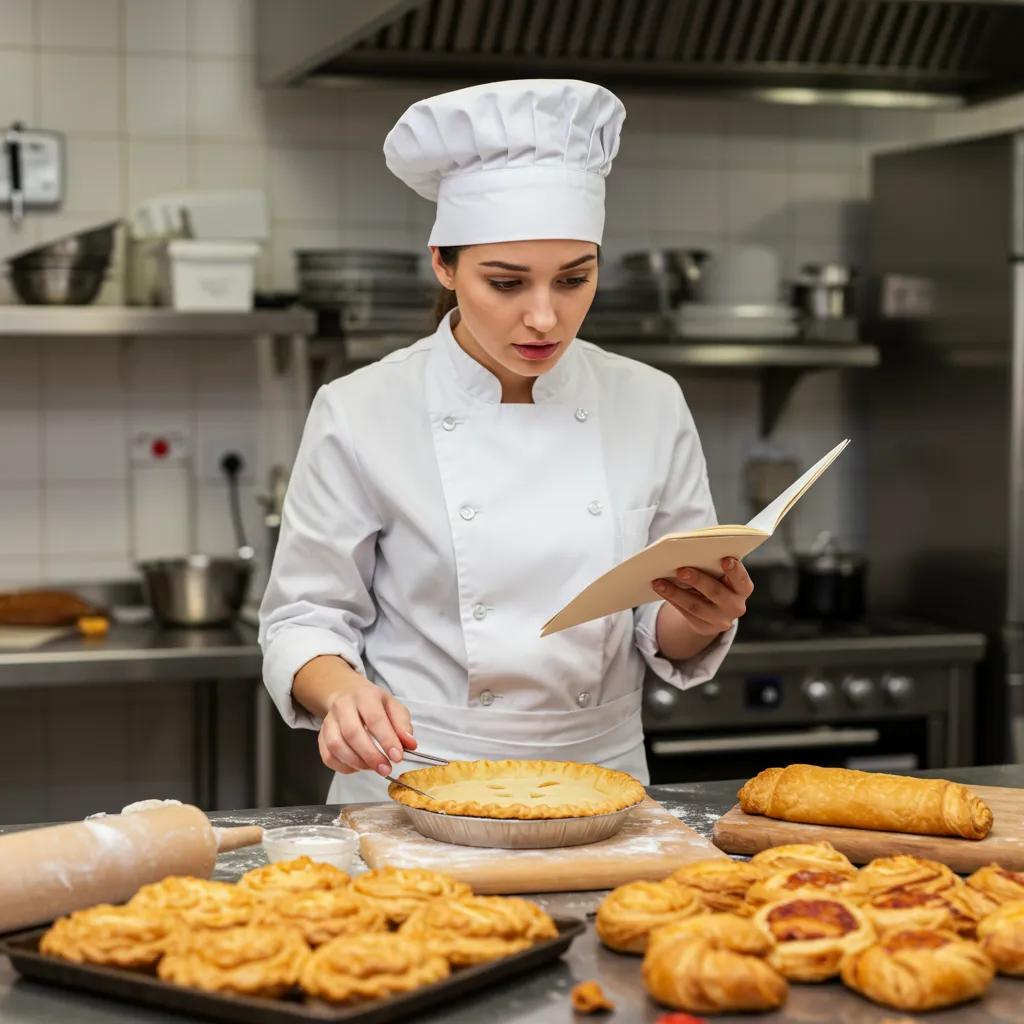
Troubleshooting focuses on diagnosing cause and applying the fastest corrective action, so you can salvage a batch or prevent repeat issues. Common problems such as tough dough, soggy bottoms, or poor puffing generally originate from a few repeatable causes: excess gluten development, insufficient blind baking or pre-cooking of fillings, and incorrect fat temperature or insufficient oven heat. The following checklist-style troubleshooting and the EAV table above guide quick fixes and preventive adjustments that beginners can implement immediately.

Why Does Pastry Dough Become Tough and How to Fix It?

Tough dough typically results from overworking or excess water activating gluten; the remedy is to rest and chill the dough to relax gluten and firm the fat, or reroll gently to reshape with minimal handling. Immediate fixes include flattening the dough into a disc and chilling for 30–60 minutes, which allows proteins to relax and fats to solidify, improving plasticity and rollability. Prevention is straightforward: measure liquids carefully, use gentle mixing motions, and keep handling time short. If a dough is already overworked, consider using it for a recipe where texture is less critical or incorporate into a crumble topping instead of discarding.

  • Rest and chill overworked dough to relax gluten and firm fat.
  • Use lighter handling and less water during mixing to prevent toughness.
  • Convert imperfect dough into a different use if immediate repair isn’t possible.

These corrective steps recover many batches and teach handling discipline that prevents recurrence.

How to Prevent Soggy Pastry Bottoms?

Soggy bottoms arise when moist fillings release water into the crust before it sets, so the key solutions are blind baking, thickening fillings, or pre-cooking wet components. Use blind baking with weights to set the crust, apply an egg wash to create a seal, and ensure fruit fillings are reduced or thickened with a small starch addition to lower free moisture. Also, bake on a lower rack to allow direct heat to crisp the base and avoid placing very wet fillings into an under-baked shell. Quick remedies include finishing the tart under a hot oven to crisp the bottom or briefly placing it on a preheated baking surface.

  • Blind bake shells when using wet fillings to prevent sogginess.
  • Thicken fillings or pre-cook fruit to reduce free water.
  • Use an egg wash or brief high-heat finish to crisp the base.

These prioritized fixes quickly address the most common causes and can salvage many fillings that would otherwise produce a soggy result.

What to Do When Pastry Doesn’t Puff or Rise Properly?

Insufficient puffing usually indicates warm fat, too few layers, or an oven that isn’t hot enough, and the fixes are practical: check butter temperature, increase oven heat, and ensure adequate fold counts for laminated dough. If a rough puff fails to puff, chill the dough thoroughly and increase the oven temperature slightly to ensure rapid steam formation; verify that vents or slits allow steam to escape and lift layers. For choux that doesn’t rise, examine ingredient ratios and baking time—undercooked shells often collapse when removed from heat, so finish baking until shells are dry and hollow-sounding. Salvage steps include refiring under high heat briefly or repurposing under-puffed dough into a crisp topping.

  • Ensure fats remain cold during lamination to create steam pockets.
  • Preheat oven and use higher initial baking temperature for puffing.
  • Finish baking choux until shells are dry to maintain structure.

These steps quickly identify the mechanical cause and provide immediate corrective action to recover pastries.

What Tips and Tricks Ensure Consistent Success in Pastry Making?

Consistency comes from controlling a handful of variables every bake: temperature of fat and dough, measured hydration, rest times, and oven reliability. Create a checklist to run through before every bake—chilled ingredients, preheated oven, weighed ingredients, and a rested dough—and use a short batch practice approach where you repeat a single technique until improvement is visible. Time-saving techniques like rough puff, using a food processor for cutting fat, or partial preps that freeze well preserve quality while accelerating learning. Incorporate local flavors cautiously by maintaining technique while swapping flavor elements rather than structural ingredients.

How to Achieve Flaky Layers Every Time?

Achieving flaky layers depends on temperature control, minimal handling, and consistent fold counts that create many discrete fat pockets; execute a measured number of folds and rest intervals to build repeatability. Use tactile checks—dough should feel firm but pliable between turns—and document your roll thickness and fold count to reproduce successes. Bake at a sufficiently high initial temperature to turn water in the fat to steam quickly, which separates layers and creates the characteristic flakiness. Small diagnostics—if layers are dense, increase chill time; if uneven, check roll evenness—guide iterative improvements.

  • Control temperature and use consistent fold counts for repeatable layers.
  • Record roll thickness and resting times to reproduce results.
  • Bake hot initially to maximize steam-based lift.

These control points quickly narrow down variability and provide a reproducible path to flaky results.

What Are Time-Saving Techniques for Fast Pastry Preparation?

Time-saving techniques let you practice frequently without sacrificing the structural integrity of pastries; useful shortcuts include rough puff instead of full lamination, using a food processor to cut butter quickly, and pre-portioning dough for rapid thaw-and-bake sessions. Pros and cons include faster preparation versus slightly different texture; choose shortcuts that retain the key mechanism (steam or cold fat pockets) rather than circumventing it entirely. Batch-prep strategies like freezing shaped, unbaked pieces let you maintain quality and build practice sessions over weeks.

  • Use rough puff for quicker laminated results.
  • Employ a food processor for even fat cutting in shortcrust.
  • Freeze shaped dough for convenient, repeatable practice.

Strategic shortcuts reduce time per session while preserving the learning of core techniques.

How to Incorporate Local Pakistani Ingredients and Flavors?

Incorporating local ingredients such as cardamom, pistachio, mango, and rosewater enhances appeal while keeping pastry technique intact by treating flavors as add-ins rather than structural swaps. Use cardamom in fruit fillings, sprinkle chopped pistachios over frangipane, fold mango compote into turnovers, or flavor creams with rosewater for regional character. When substituting ghee for butter, be cautious: ghee lacks water and will change steam dynamics, so compensate through technique adjustments like slightly reducing cook time or increasing fold attention. Flavor additions should complement textures rather than replace essential fat and hydration balances.

  • Use spices and nuts as finishing or filling additions, not structural substitutes.
  • When using ghee, adjust techniques to account for lower moisture.
  • Test small batches when incorporating bold local flavors to maintain balance.

These flavor ideas let you create culturally resonant pastries while preserving the technical steps that ensure success.

Where Can Beginners Find Quality Baking Ingredients and Tools Locally or Online?

Sourcing quality flour, butter, and basic tools influences success and convenience, so identify reliable local markets, grocery chains, and online options that offer consistent products. Look for labeled flour protein content to match technique needs and choose unsalted butter with a higher fat percentage when possible; if local options vary, prioritize cold-chain storage and freshness. Ready-to-bake kits and pre-measured mixes reduce prep time and lower the barrier to practice; assess kit contents against a checklist to ensure they include measured ingredients and clear instructions. The EAV table below compares purchase options for convenience and local availability to help you decide.

ProductConvenienceNotes on Local Availability
Packaged flour (labeled protein)High (prepackaged sizes)Widely available; choose labeled protein when possible
Unsalted butter blocksMedium (needs cold storage)Available in supermarkets; verify cold-chain handling
Ready-to-bake kitsHigh (pre-measured)Kits simplify prep; check contents for completeness
Baking tools (basic sets)Medium (one-time buy)Tools sold at general stores; prioritize durability

This comparison helps prioritize where to buy core ingredients and whether kits or basic tool purchases better match your schedule and local availability.

What Are the Best Sources for High-Quality Flour, Butter, and Sugar in Pakistan?

Local sourcing in major Pakistani cities often includes larger grocery chains, specialty baking stores, and market suppliers; when selecting products, prioritize labeled protein for flours and fresh cold-stored butter. Look for products that indicate milling or protein information on the package and ask vendors about storage conditions for butter to ensure it has been kept cold. Price-quality tradeoffs exist, but consistent performance comes from predictability in ingredient attributes rather than brand alone. For sugar and dry ingredients, keep them sealed and dry to prevent caking and moisture uptake that affect dough hydration.

  • Seek flour with labeled protein values for technique-specific needs.
  • Buy butter from refrigerated sections and confirm cold storage.
  • Choose simple packaging that indicates milling or freshness information.

These sourcing checks reduce variability and make ingredient behavior more predictable for beginners practicing core techniques.

How to Order Ready-to-Bake Pastry Kits and Baking Tools Online?

When ordering kits or tools online, evaluate contents against a checklist to ensure you receive pre-measured ingredients, clear instructions, and any specialized components like pastry cutters or piping tips. Delivery and pickup considerations include cold-chain handling for butter and perishables; choose options that guarantee refrigerated transit if available, or plan to pick up cold items in person. Ready-to-bake kits are especially helpful for time-poor learners because they reduce measurement errors and let you focus on technique rather than prep logistics.

  • Confirm kit contents and instructional clarity before purchase.
  • Verify delivery conditions for perishable items like butter.
  • Prefer kits that include small-batch practice portions for repetition.

Using kits strategically accelerates learning while keeping technique central to your practice sessions.

Are There Local Baking Classes or Communities to Join for Support?

Community learning accelerates skill transfer by offering hands-on guidance and feedback; look for beginner classes, pop-up workshops, and online groups that focus on practical techniques rather than advanced pastry art. Evaluate classes by their class size, hands-on time, and whether they cover foundational techniques like lamination, choux, and blind baking. Online communities and social groups provide recipe swaps, troubleshooting tips, and local sourcing advice, which can be especially helpful for adapting recipes to regional ingredients and preferences.

  • Choose classes with hands-on practice and small group sizes for personalized feedback.
  • Join online groups for recipe testing and troubleshooting tips.
  • Attend local meetups or workshops to see techniques demonstrated in real time.

Engaging with community resources supplements solo practice and helps solve specific challenges you encounter while mastering pastry techniques.